
Understanding the psychology behind your gambling choices
The Role of Emotion in Gambling
Gambling is often driven by a range of emotions, from excitement to anxiety. Many players experience a rush of adrenaline when placing a bet, which can cloud their judgment. This emotional high can lead to impulsive decisions, causing individuals to bet more than they initially intended. Understanding this emotional aspect is crucial in recognizing how it influences gambling choices. If you’re interested, exploring more about this phenomenon at https://chickn-road-game.ca/ can provide valuable insights.
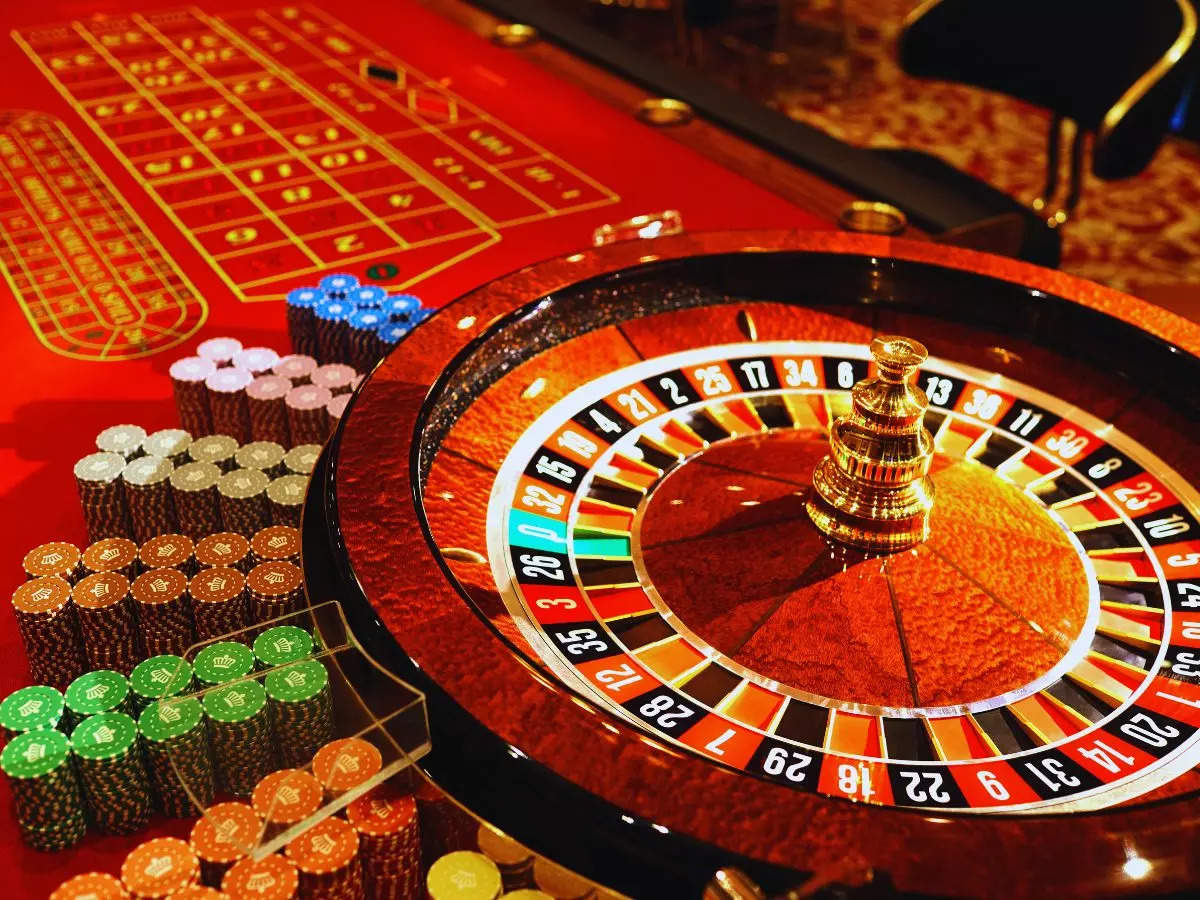
Moreover, emotions such as frustration or disappointment can lead to chasing losses, a behavior where players continue to gamble in hopes of recovering what they’ve lost. This cycle often exacerbates financial strain and emotional distress. Recognizing these emotional triggers can empower individuals to make more informed decisions while gambling.
The Influence of Cognitive Biases
Cognitive biases play a significant role in shaping gambling behavior. For instance, the illusion of control leads many players to believe they can influence the outcome of random events, like dice rolls or card draws. This false sense of control can encourage riskier bets and increase the likelihood of continued gambling despite losses.
Another common bias is the gambler’s fallacy, where players believe that past outcomes affect future results. For example, if a slot machine hasn’t paid out recently, some may think it’s “due” for a win, prompting more bets. Understanding these cognitive biases helps players to recognize irrational thoughts and make more rational choices when gambling.
The Social Dynamics of Gambling
The social environment significantly impacts gambling behavior. Many individuals are drawn to casinos or online platforms due to the social aspect, which can enhance the overall experience. Group dynamics can lead to increased betting as individuals feed off each other’s excitement and energy, creating a heightened sense of urgency to gamble.
Additionally, peer pressure can also influence decisions. Friends or family who gamble may unknowingly encourage risky behavior, leading individuals to make choices they wouldn’t normally consider alone. Being aware of these social influences can help players maintain control over their gambling habits.
Cultural Perspectives on Gambling
Cultural beliefs and attitudes towards gambling vary widely across different societies, shaping how individuals approach this activity. In some cultures, gambling is seen as a harmless pastime, while in others, it may carry significant stigma. These cultural norms can profoundly influence personal choices, affecting not only the frequency of gambling but also the types of games chosen. In Canada, perspectives on gambling are shifting, and the introduction of the Chicken Road game exemplifies this evolution.
Understanding these cultural perspectives can shed light on why certain individuals may gamble more frequently or with greater intensity. Awareness of one’s cultural background can promote healthier gambling habits by encouraging individuals to reflect on their motivations and the social acceptability of their actions.

Exploring the Chicken Road Experience
The Chicken Road game offers a unique blend of skill and chance, catering to both novice and experienced players in a safe environment. With its emphasis on strategic decision-making, players can engage in a thrilling experience while being mindful of their gambling choices. By understanding the psychology behind these decisions, players can enhance their gameplay and enjoyment. The Chicken Road Slot is an example of how skill-based elements can reshape the gaming landscape.
The Chicken Road App provides an accessible platform for users to navigate their gambling experience effectively. Features like demo modes allow players to practice, mitigating some psychological pressures associated with real-money gambling. This approach fosters a more thoughtful, engaging experience that encourages players to make informed decisions while having fun.